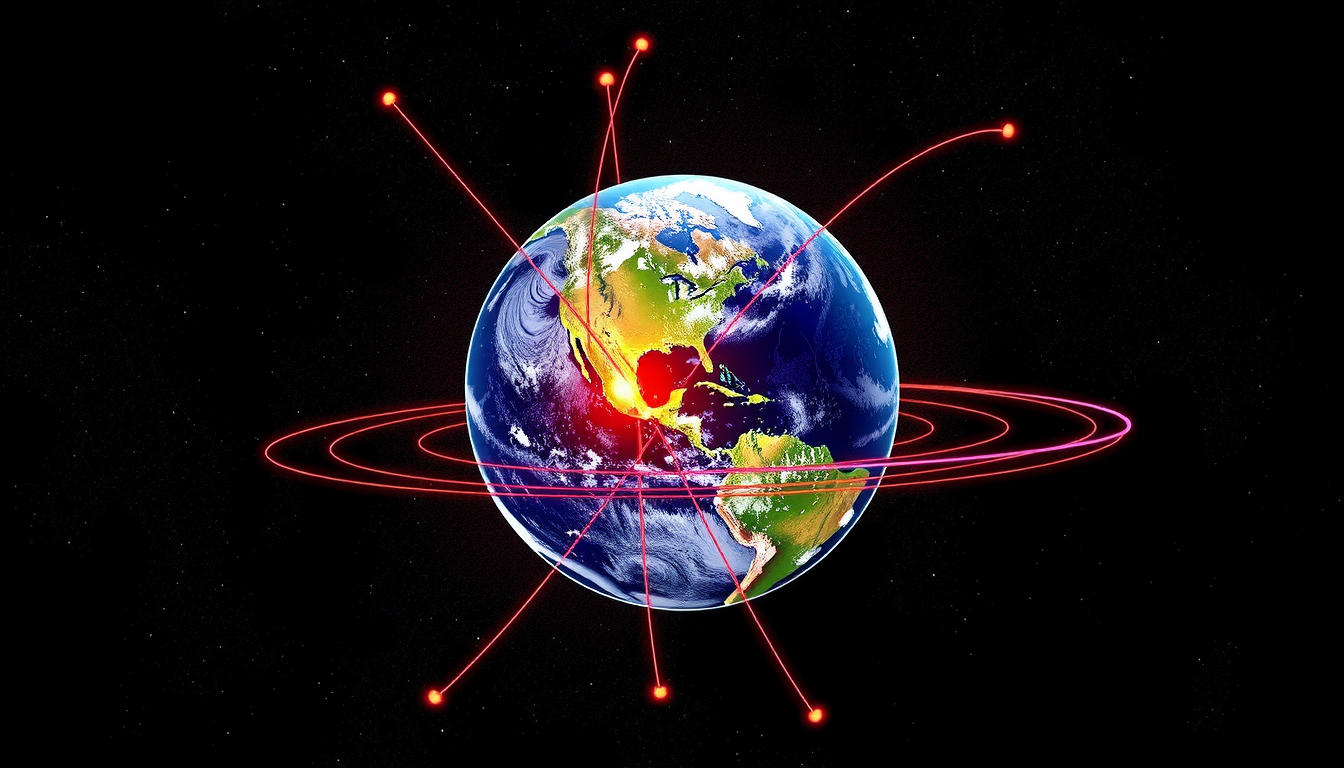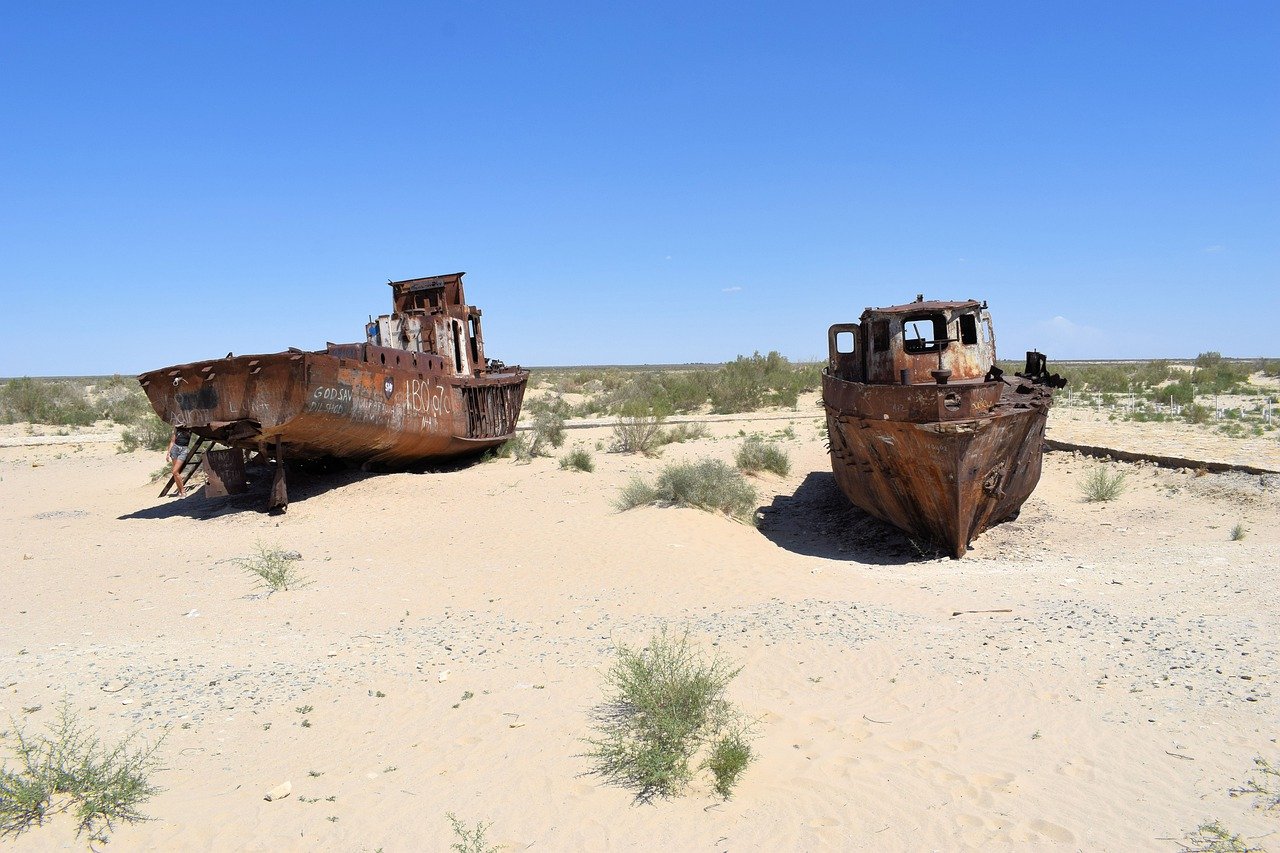
Long-term shifts in global or regional climate patterns are referred to as climate change. In most cases, it specifically describes the increase in average global temperatures that has been occurring since the mid-20th century.

Climate change stands as the biggest challenge of the 21st century. This global crisis, largely caused by human activity, is altering weather patterns, increasing the frequency and severity of natural disasters, and posing a threat to ecosystems and human health. Although its impacts are felt worldwide, their effects often unfold in deeply local ways. A striking example is the Kathmandu Valley, where the climate crisis intersects with a critical environmental concern: air pollution. Frequently listed among cities with the poorest air quality, Kathmandu faces a growing public health threat.
Causes Climate Change
Natural vs Anthropogenic Causes
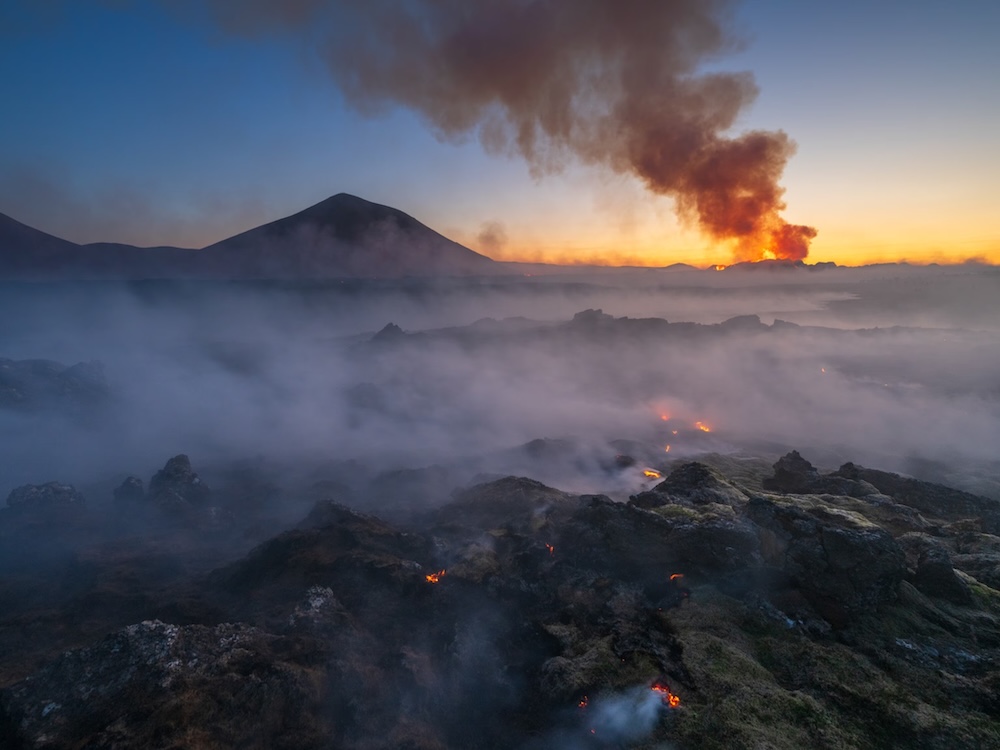
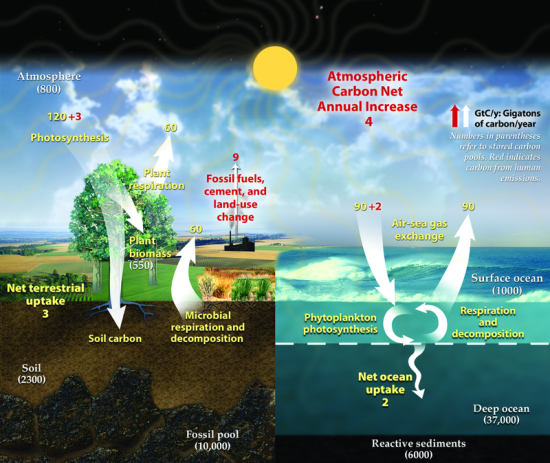
The climate has always gone through changes, influenced by natural factors like volcanic eruptions, changes in the sun’s energy, and shifting ocean currents. But the rapid warming we've seen in recent decades is mostly due to human activities (anthropogenic). Burning fossil fuels, cutting down forests, and industrial activities have released large amounts of greenhouse gases (GHG) into the atmosphere, trapping heat and speeding up global warming.
The Greenhouse Effect Explained
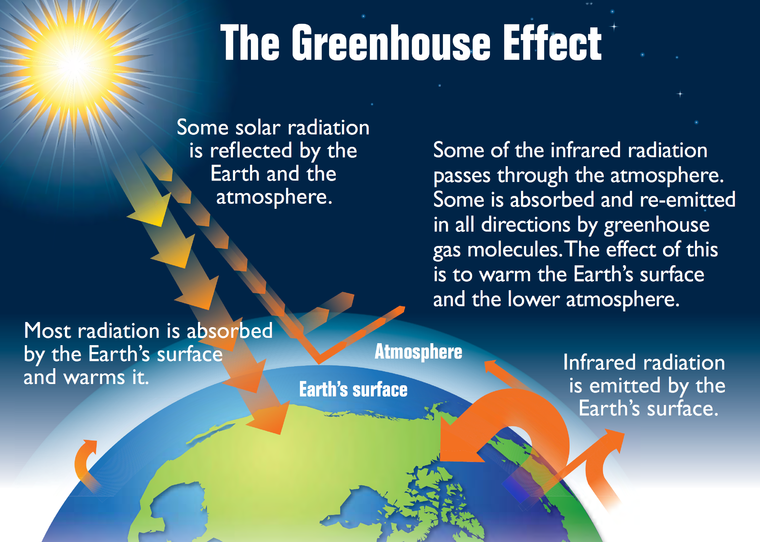
The greenhouse effect is kind of like Earth’s own cozy blanket. Some of the energy emitted by the Sun when it reaches our planet is absorbed by its surface, while others bounce back into space. A portion of this heat is trapped by greenhouse gases like carbon dioxide (CO2), methane (CH4), and nitrogen dioxide (N2O), which keeps our planet warm enough for us to live on. However, the issue is that human activity is introducing an excessive amount of these gases into the atmosphere. This makes the "blanket" thicker than it should be, trapping too much heat. As a result, global temperatures are rising faster than ever, leading to climate changes that can be dangerous for both people and the planet.
Historical Patterns of Climate
Paleoclimate data from ice cores and sediment layers show that Earth's climate has experienced natural cycles of warming and cooling. What distinguishes current trends is their unprecedented speed. Since the Industrial Revolution, CO₂ levels have soared from about 280 parts per million (ppm) to over 420 ppm, driving a sharp increase in global temperatures.
Current Evidence of Climate Change
Global Temperature Rise
According to NASA, the past decade has been the warmest in recorded history. Average global temperatures have risen by approximately 1.1°C since pre-industrial times, with profound effects on weather systems and biodiversity.
Melting Ice Caps and Sea-Level Rise
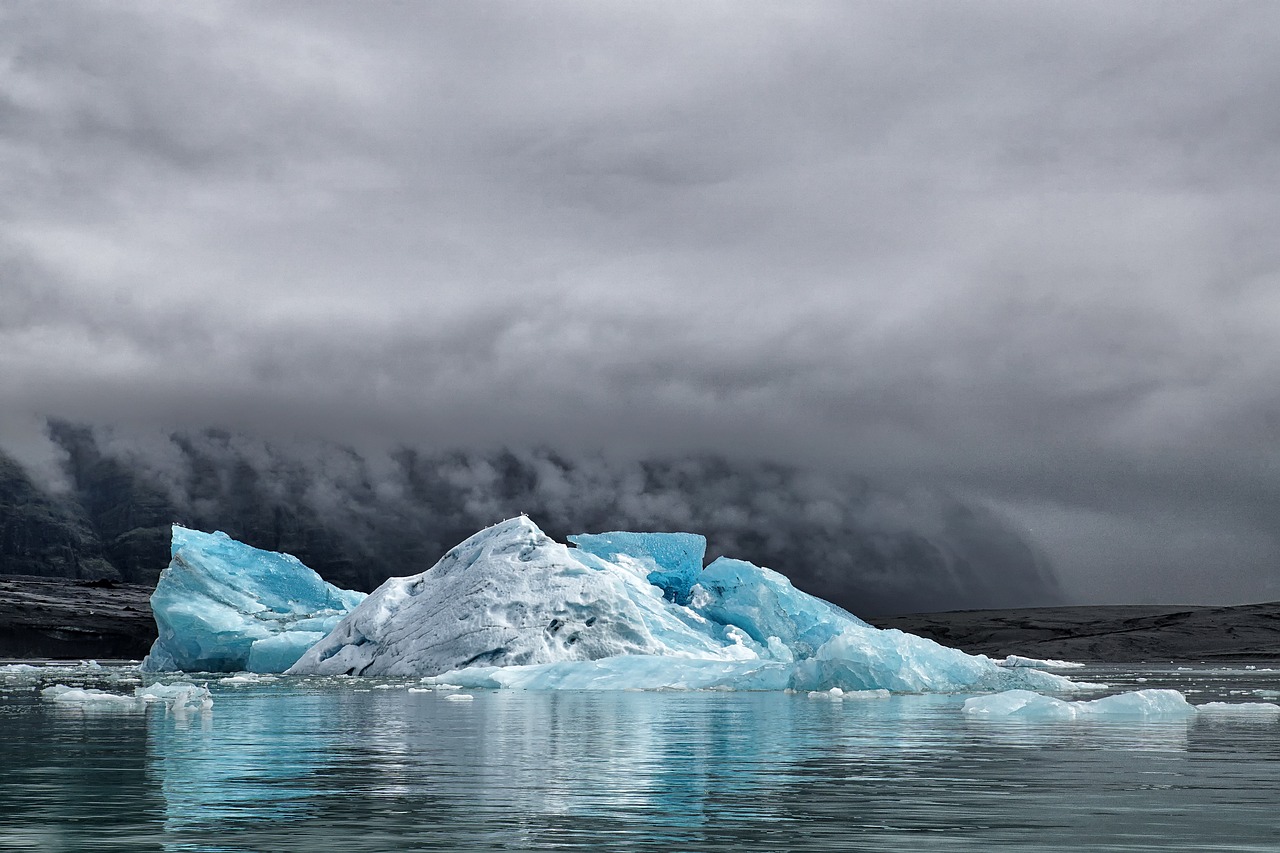
The Arctic is warming at twice the global average. Glaciers in Greenland, Antarctica, and the Himalayas are melting, contributing to sea-level rise that threatens coastal cities and island nations.
Changing Precipitation Patterns
Shifts in rainfall patterns are becoming evident worldwide. Some regions face prolonged droughts while others experience intense flooding. In South Asia, monsoons have become increasingly erratic, disrupting agriculture and livelihoods.
Air Pollution and Climate Change: A Toxic Loop
Role of Air Pollutants in Warming
Certain air pollutants like black carbon and ground-level ozone act as short-lived climate pollutants (SLCPs) that contribute directly to global warming. Unlike CO₂, they persist in the atmosphere for days or weeks but have a disproportionately large warming effect.
Climate-Induced Air Quality Variations
As climate change alters wind patterns and atmospheric stability, it can exacerbate air pollution events. Warmer temperatures accelerate chemical reactions that create smog, while stagnant weather traps pollutants near the ground.
Understanding the Air Quality Index (AQI)
What is AQI?
The AQI is a standardized tool for reporting daily air quality. It provides a clear, color-coded scale that indicates the level of air pollution and associated health risks.
Pollutants Measured in AQI
AQI typically includes PM2.5, PM10, ground-level ozone (O₃), nitrogen dioxide (NO₂), sulfur dioxide (SO₂), and carbon monoxide (CO). Among these, PM2.5 (fine particulate matter) is the most harmful due to its ability to penetrate deep into the lungs and bloodstream.
Health Implications by AQI Level
AQI values range from 0 to 500. An AQI above 100 is considered unhealthy for sensitive groups, while values above 150 are unhealthy for everyone. Prolonged exposure to high AQI levels can lead to respiratory and cardiovascular diseases, especially in children and the elderly.
The State of Air Quality in Kathmandu
Latest AQI Data (April 4, 2025)
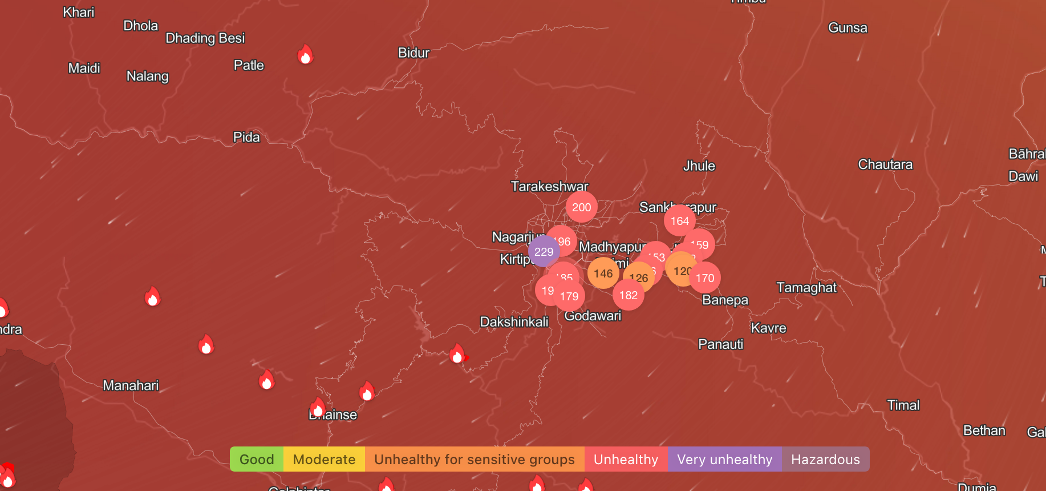
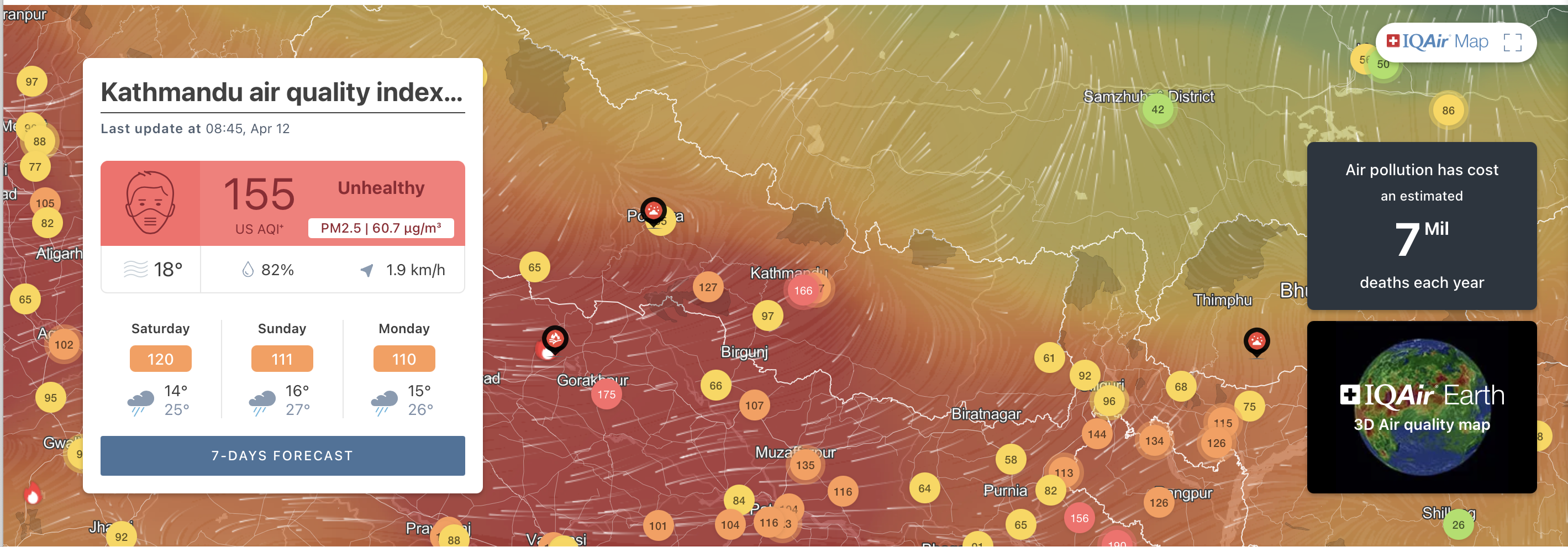
On April 4, 2025, the AQI in Kathmandu ranged between 107–152, placing it in the “Unhealthy for Sensitive Groups” to “Unhealthy” category. PM2.5 levels were the primary contributors, with limited wind and rising temperatures worsening the situation.
Major Pollution Sources in the Valley
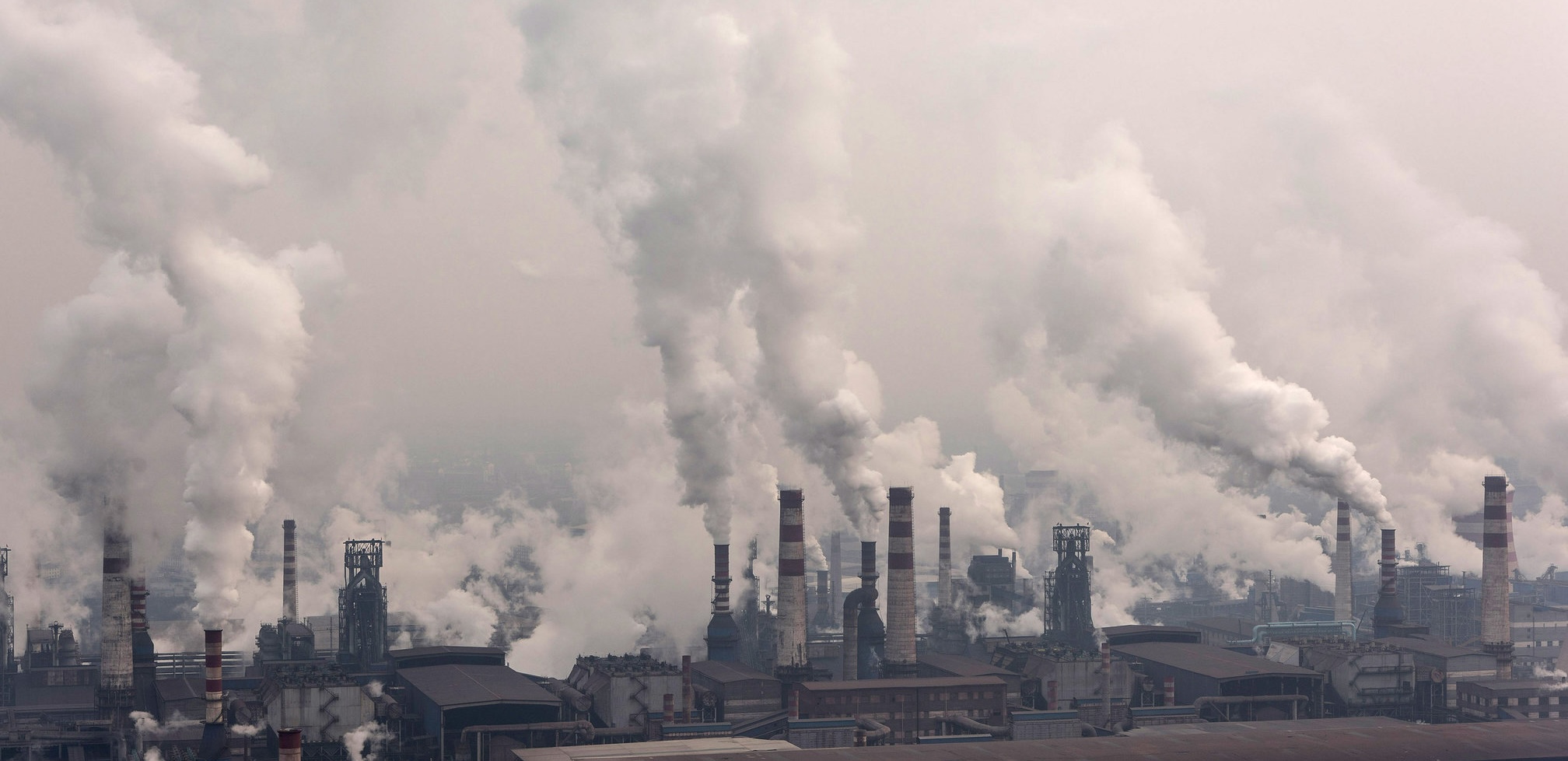
Kathmandu's topography acts like a bowl, trapping air pollutants. Major sources include vehicle emissions, brick kilns, open burning, and construction dust. The high number of two-stroke motorcycles and diesel-powered vehicles adds to the toxic mix.
Seasonal Trends in Air Pollution
Air quality worsens in the winter due to thermal inversion, where a layer of warm air traps pollutants near the ground. During spring, dust storms from the plains exacerbate the problem. Monsoons temporarily cleanse the air, but this is only a short-term reprieve.
Climate Change and Public Health
Respiratory Illnesses
Exposure to polluted air can trigger asthma, bronchitis, and chronic obstructive pulmonary disease (COPD). Children exposed to high PM2.5 levels have been found to have reduced lung development.
Cardiovascular Impact
Fine particulates enter the bloodstream, increasing the risk of heart attacks, hypertension, and strokes. Studies have linked air pollution to a rise in hospital admissions for heart-related issues.
Mental Health and Heat Stress
Heatwaves and air pollution also affect mental health, causing stress, anxiety, and even cognitive decline. High nighttime temperatures disrupt sleep, particularly in urban heat islands like Kathmandu.
Policy Framework and Mitigation Efforts
International Agreements
Nepal is a signatory to the Paris Agreement, committing to limit global temperature rise to below 2°C. It has submitted its Nationally Determined Contributions (NDCs) outlining goals to reduce emissions and adapt to climate impacts.
Nepal's Climate Action Plan
Nepal’s Climate Change Policy aims to build resilience in vulnerable communities, promote clean energy, and integrate climate considerations into national planning. Yet, implementation remains a challenge due to resource constraints.
Local Policies for Kathmandu
The Kathmandu Valley Air Quality Management Action Plan focuses on phasing out old vehicles, improving public transport, regulating industries, and increasing green spaces. However, enforcement is often weak.
Technological and Community-Based Solutions
Transitioning to Renewable Energy
Hydropower already supplies most of Nepal’s electricity. The government is encouraging solar rooftop installations and biogas use in rural areas to reduce reliance on biomass and fossil fuels.
Greener Transportation Systems
Promoting electric vehicles (EVs), improving bus rapid transit (BRT), and developing bicycle lanes are crucial steps. Electrification of public transport could significantly reduce emissions.

Urban Forests and Green Spaces
Planting trees in urban areas can absorb pollutants, reduce heat, and improve mental well-being. Community initiatives have shown promise in expanding green coverage.
Civic Participation and Education
Awareness campaigns, school curriculums, and citizen science projects can empower individuals to take action. Youth-led initiatives in Nepal have successfully advocated for climate justice and local clean-up campaigns.
The Way Forward
Building Climate Resilience
Adaptive measures such as climate-smart agriculture, early warning systems, and climate-resilient infrastructure can help Nepal navigate future climate shocks.
Integrating Climate Education
Education systems must equip students with the knowledge and skills to address climate challenges. Integrating climate science into the curriculum will nurture informed and engaged citizens.
Hope Through Innovation and Collaboration
Despite the grave challenges, hope lies in innovation, policy reform, and global cooperation. Solutions exist—from carbon capture to community solar projects—and must be scaled urgently. Kathmandu’s story can be one of transformation, serving as a model for climate resilience in developing urban centers.
For a deeper dive into the impact of climate change on urban environments, check out our article on The Global Cooling of 535 AD.