Machines (Grade 9)


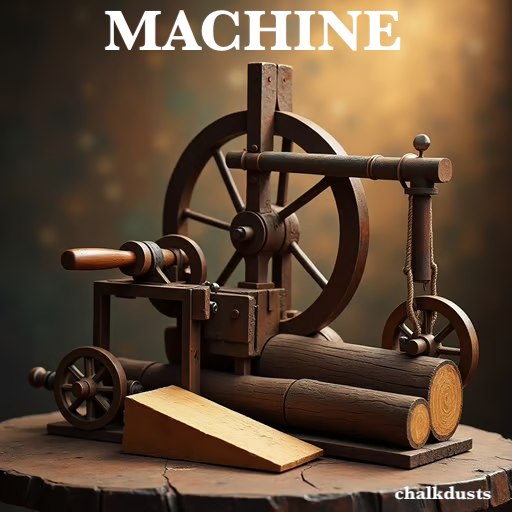
1. Introduction to Machines
A machine is a device that makes work easier by:
- Changing the direction of force
- Increasing the magnitude of force
- Transferring force from one point to another
Importance of Machines
- Reduces effort needed to do work
- Increases speed of work
- Helps in lifting heavy loads with less force
- Enables precision in tasks (e.g., cutting, drilling)
2. Mechanical Advantage (MA)
The ratio of load (L) to effort (E)
MA = Load / Effort = L / E
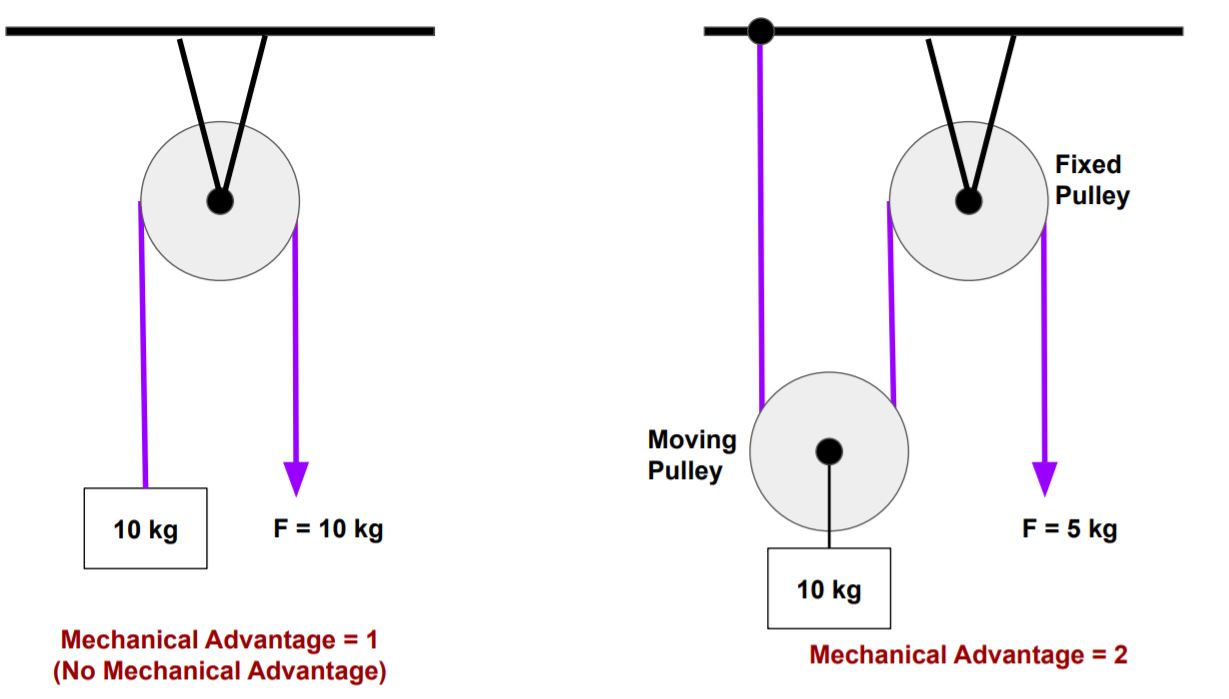
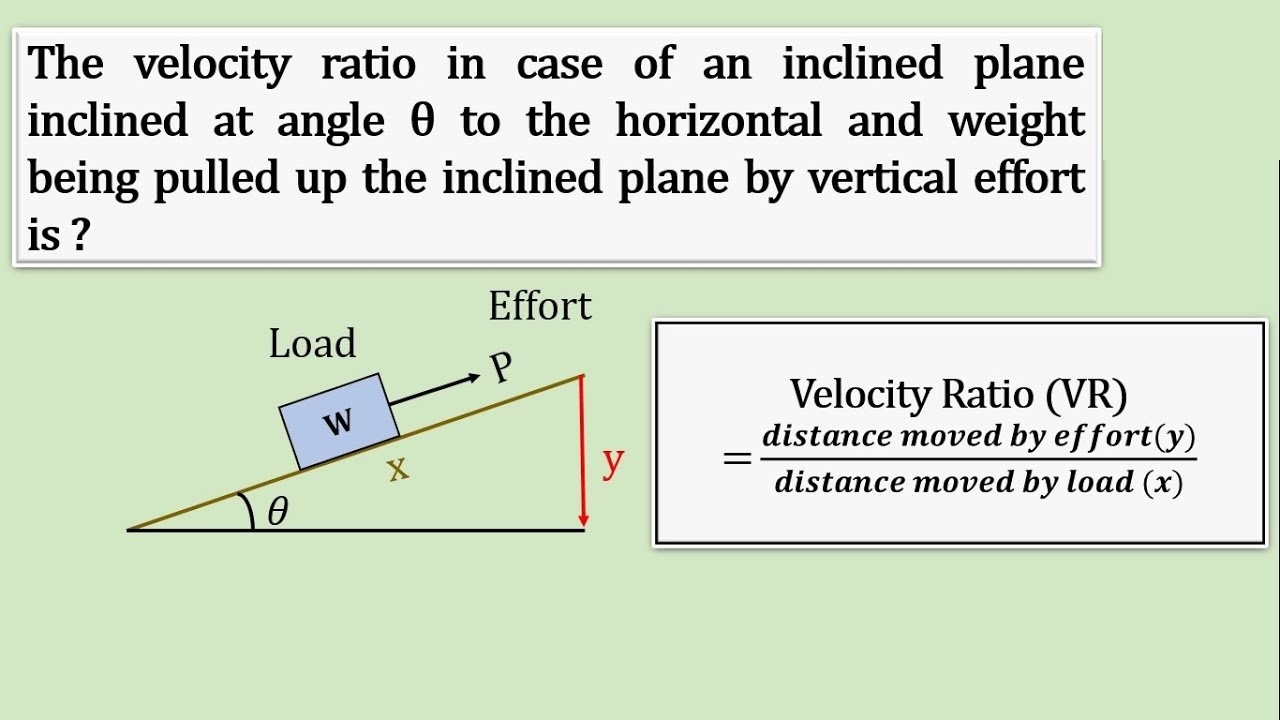
3. Velocity Ratio (VR)
The ratio of distance moved by effort (dE) to distance moved by load (dL)
VR = dE / dL
4. Efficiency (η)
The ratio of work output to work input (expressed as %)
Efficiency (η) = (MA / VR) × 100%
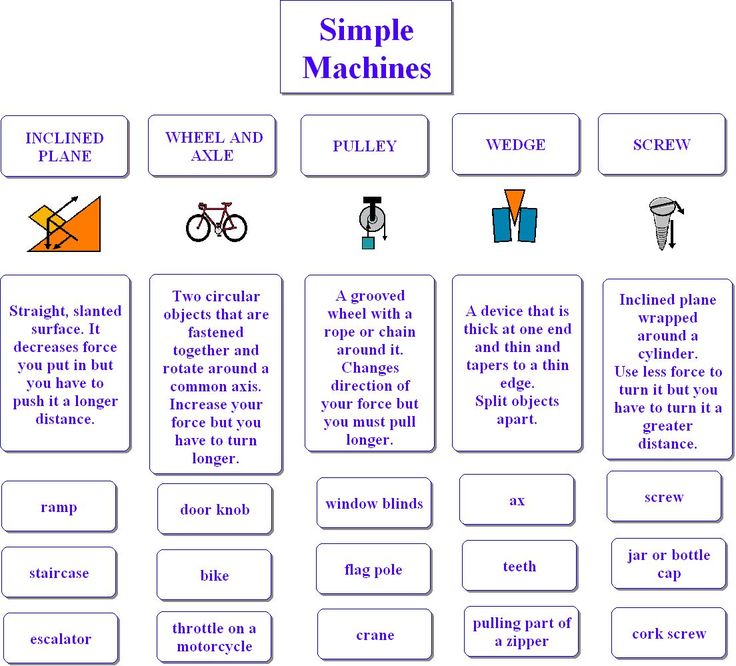
5. Types of Simple Machines
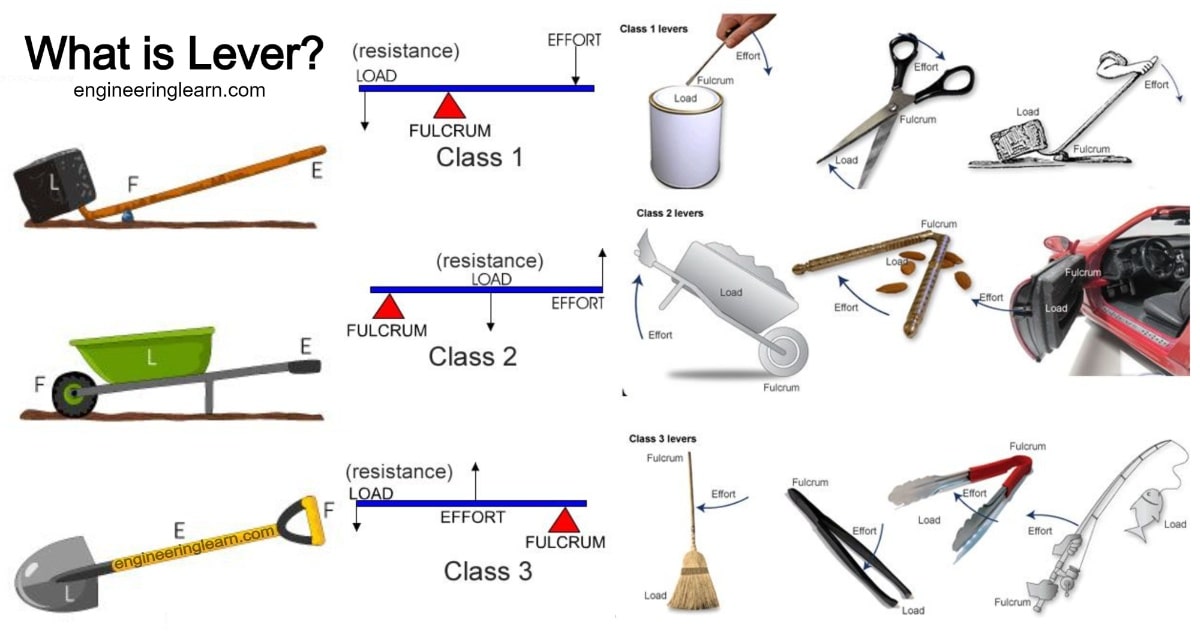
(A) Lever
A rigid bar pivoted at a fulcrum to lift loads
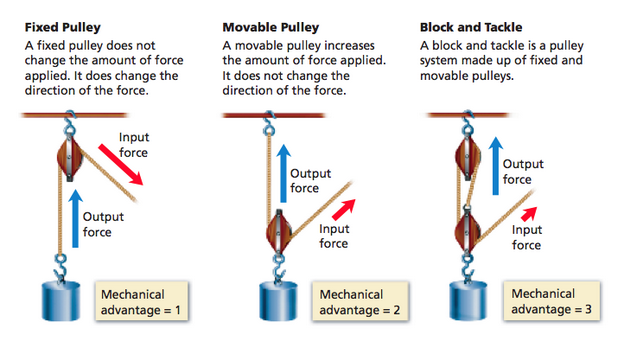
(B) Pulley

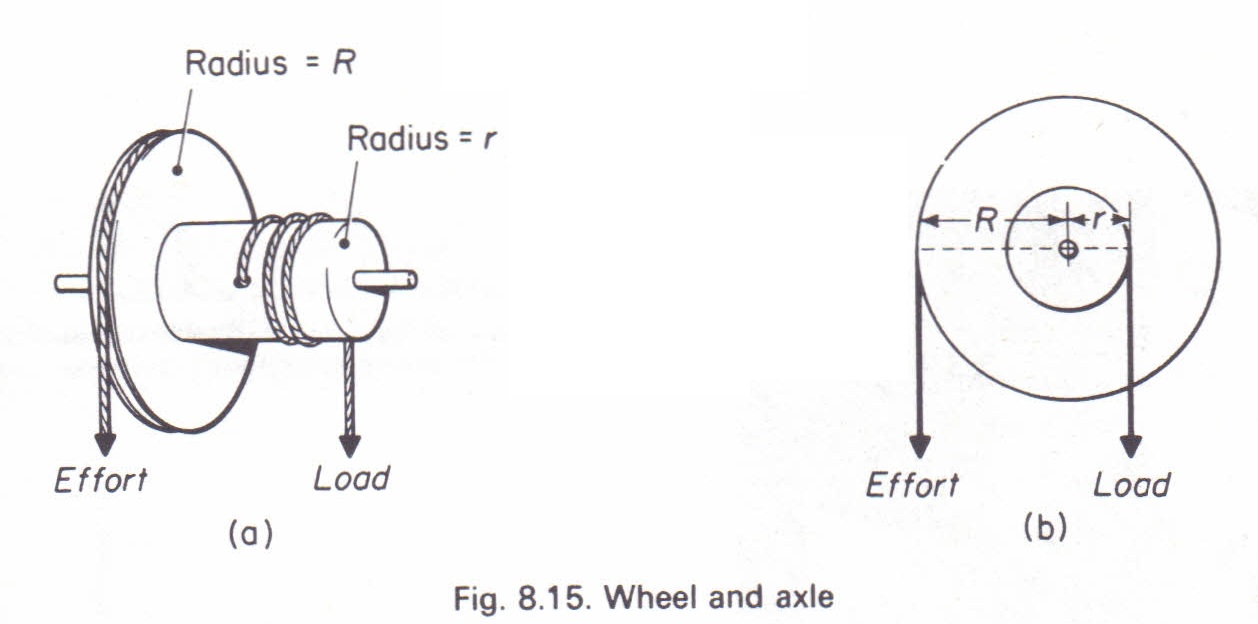
(C) Wheel and Axle

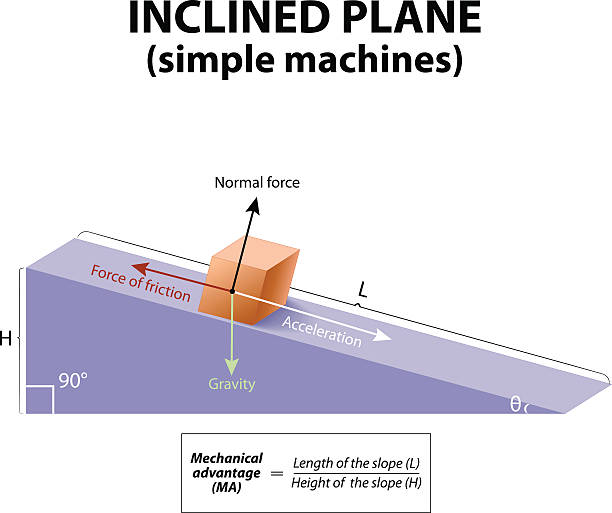
(D) Inclined Plane

(E) Wedge


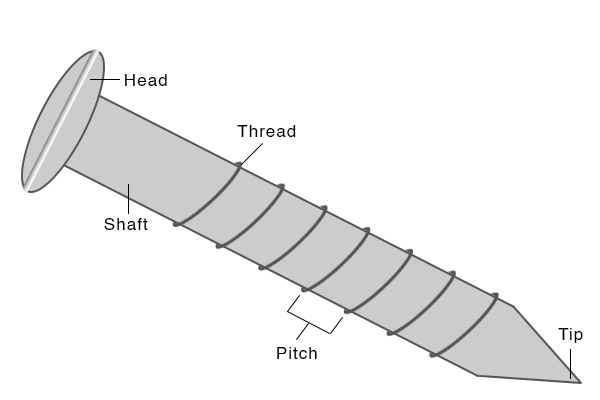
(F) Screw

6. Summary Table of Simple Machines
Key Points to Remember
- MA tells how much a machine multiplies force
- VR is a fixed property based on machine design
- Efficiency is always < 100% in real machines
- Levers, pulleys, screws, etc. are all simple machines that reduce effort





1 Comments
Suyog K.C 03 Aug 2025 at 12:00 AM
Helpful
Reply to this comment